


The Thrill of Risk and Reward
Gambling attracts individuals because of its unique blend of risk and reward. The excitement of rolling dice, spinning a roulette wheel, or pulling the lever on a slot machine comes with the tantalizing possibility of winning substantial financial rewards. This thrilling experience instills a sense of excitement that many find irresistible, prompting them to test their luck repeatedly. For those interested in the best games, an option to explore is casino online , which offers various thrills and opportunities for winning. The psychological underpinnings of this behavior reveal a connection between risk-taking and dopamine release, a neurotransmitter associated with pleasure, making the prospect of winning particularly attractive.
The unpredictability inherent in gambling enhances its allure. Unlike structured activities where outcomes are predictable, gambling introduces an exhilarating element of chance. The anticipation of hitting a jackpot or riding a winning streak fuels excitement and can result in euphoric feelings. In a casino environment, this thrill is amplified; the carefully crafted ambiance—filled with vibrant lights, sounds, and the buzz of fellow gamblers—creates a compelling atmosphere that encourages players to engage more deeply in the experience.
Additionally, the principle of variable reinforcement plays a significant role in gambling’s addictive nature. This psychological concept suggests that rewards are given at unpredictable intervals, heightening anticipation and keeping players engaged in hopes of a big win. This dynamic taps into our natural tendencies towards risk, making it difficult for some individuals to resist the lure of the next bet, even when past experiences indicate that the odds may not be in their favor. This continuous cycle of hope and disappointment solidifies gambling as a compelling activity for many, perpetuating their involvement.
The Social Aspect of Gambling
Gambling often transcends mere financial transactions; it is a social activity that enhances its allure. Many individuals enjoy visiting casinos with friends or family, creating shared experiences that can strengthen relationships and foster camaraderie. The collective nature of gambling, where players cheer for each other’s wins or share in the disappointment of losses, transforms the activity into a social event. This added layer of enjoyment goes beyond the game itself, making the experience more engaging and memorable.
Moreover, casinos are meticulously designed to promote socialization among patrons. With group games and communal areas, they facilitate interactions, allowing players to engage in casual conversations and build connections. This welcoming atmosphere is particularly appealing for individuals who may feel lonely or are seeking companionship. Through these interactions, gambling becomes a source of belonging, encouraging individuals to return not just for the thrill of the game but also for the social experiences that accompany it, further emphasizing the communal nature of the activity.
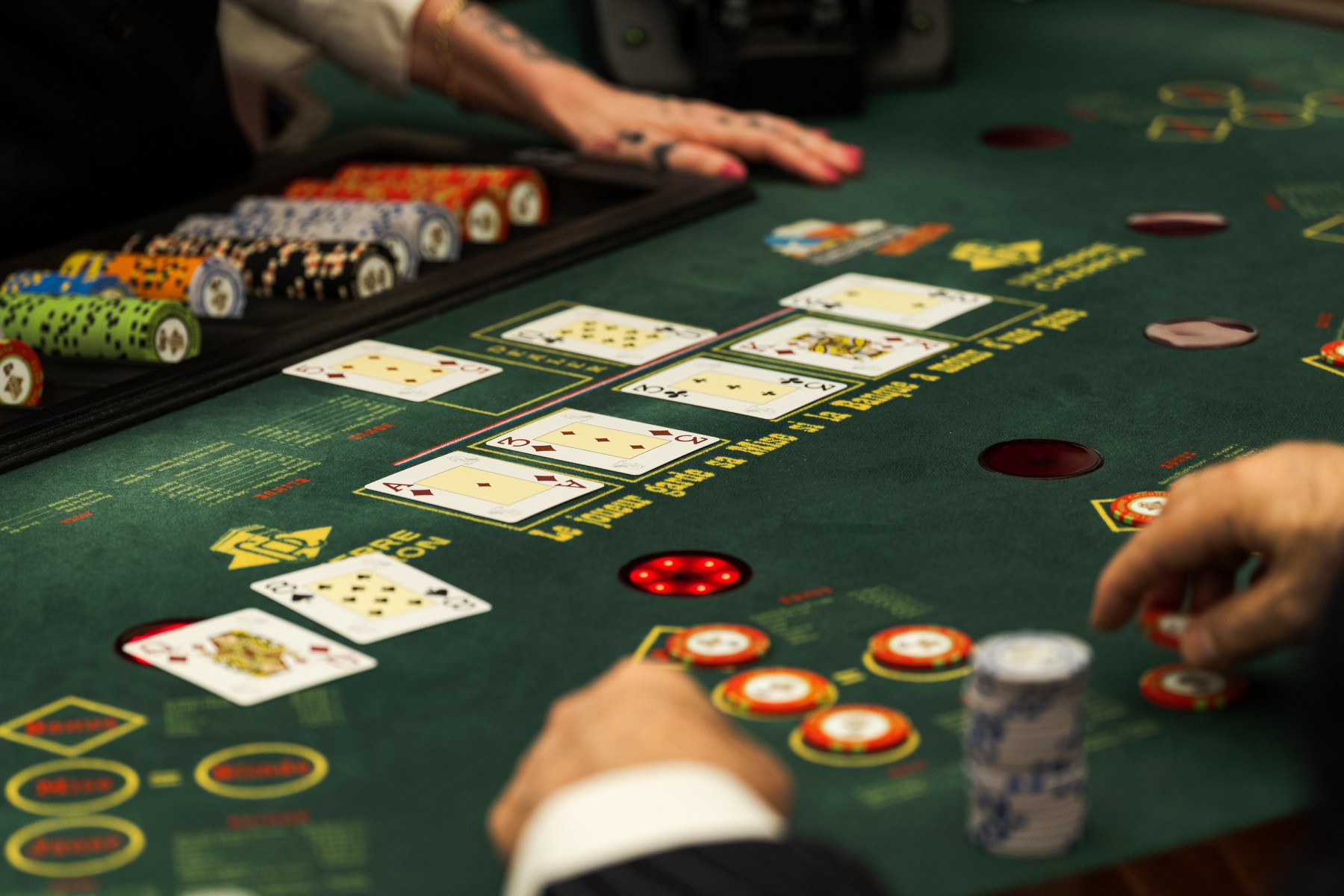
The rise of online gambling platforms has also transformed the social aspect of gaming, introducing features that replicate real-life interactions. With options for chat rooms, multiplayer games, and virtual events, online platforms cultivate social dynamics within digital spaces, allowing players to connect with others from the comfort of their homes. This adaptation caters to an audience seeking both the thrill of gaming and social interaction, highlighting that the motivations behind gambling often extend beyond financial gain and are deeply rooted in human connections and shared experiences.
The Escapism Factor
For many individuals, gambling serves as an escape from the stresses and pressures of daily life. The vibrant lights, captivating sounds, and bustling atmosphere of casinos create an environment conducive to temporarily forgetting one’s problems. This immersive experience provides a welcome respite from the grind of work, personal relationships, or other daily worries, allowing individuals to indulge in the thrill of the game and forget about their concerns for a while. The act of gambling becomes a form of entertainment that allows players to lose themselves in the moment, making it a popular choice for stress relief.
The fantasy elements of casinos further enhance their appeal. Many people are drawn to the glamorous lifestyle often depicted in movies and advertisements, envisioning themselves as winners in high-stakes situations. This allure of a transformed life, filled with adventure and wealth, can be enticing; it allows individuals to escape their routines and imagine a different reality. As a result, gambling can be perceived not merely as a game but as a means of escape and transformation, deepening its allure in the process.
However, it is crucial to recognize the potential risks of using gambling as a coping mechanism. While it may provide temporary relief from stress, the inherent risks associated with gambling can exacerbate underlying issues, creating a cycle of dependency and financial strain. Understanding the motivations behind gambling for escapism can empower individuals to seek healthier alternatives for managing stress, ensuring that gaming remains a form of entertainment rather than a harmful habit that leads to negative consequences in their lives.
The Influence of Marketing and Environment
The allure of casinos is significantly amplified through strategic marketing and environmental design. From the moment patrons step into a casino, they are enveloped by bright colors, enticing sounds, and the scent of complimentary beverages, all meticulously curated to captivate and hold their attention. This sensory overload not only attracts players but also creates an atmosphere conducive to gambling, where excitement takes precedence over rational decision-making. By engaging multiple senses, casinos enhance the thrill of the experience and encourage players to gamble more than they initially intended.

Moreover, casinos employ various promotional strategies such as loyalty programs, bonuses, and high-stakes tournaments to entice and retain players. These incentives create a sense of value, compelling individuals to return in hopes of benefiting from exclusive offers. The competitive nature of these promotions can drive players to gamble more, often leading them to exceed their planned gaming budgets. Such marketing tactics are pivotal in maintaining a steady influx of visitors, reinforcing the allure of the gambling experience and ensuring that patrons feel a sense of belonging and excitement.
Furthermore, the physical layout of casinos is intentionally designed to keep players engaged for extended periods. Slot machines and gaming tables are strategically positioned to maximize visibility and accessibility, often minimizing the distance between them. Additionally, many casinos deliberately avoid windows and clocks, further encouraging patrons to lose track of time. This sophisticated manipulation of space and environment plays a crucial role in enhancing the gambling experience, ensuring that players remain longer and often spend more, which reinforces the casino’s allure and ultimately contributes to their financial success.
Concluding Thoughts on Gambling Culture
The fascination with gambling and casinos remains a vibrant aspect of modern culture, fueled by a mixture of excitement, social interaction, and psychological dynamics. As explored in this discussion, the reasons individuals gamble are diverse, ranging from the thrill of potential rewards to the need for escapism and social connection. While the allure of gambling persists, it is crucial for players to maintain awareness of their motivations and the associated risks to ensure that their experiences remain positive and enjoyable.
As the landscape of gambling evolves, especially with the rise of online platforms and mobile gaming, the accessibility and appeal of gambling will likely continue to draw in new audiences. Understanding the complex factors driving individuals to gamble can inform responsible gaming initiatives, fostering a culture that promotes enjoyment while minimizing risks. Entities within the gambling industry have a responsibility to create a safe environment for their patrons, taking into account the psychological aspects that influence behavior.
In conclusion, whether through the excitement of chance, the warmth of social connections, or a temporary escape from reality, the allure of gambling remains a captivating facet of human culture. By deepening our understanding of these motivations, we can cultivate a more informed and responsible gaming community that celebrates the thrill of the experience while promoting healthier choices and mitigating potential harms associated with gambling.